How we work, and why we work that way
Transparency about process is part of honest consultancy. Here is exactly how an engagement with Dasoku Fucaco unfolds.
We begin by listening, not presenting
Every operation is different. A 20-hectare mixed farm has different circular economy opportunities than a small-scale cheese producer or a rural equipment repair business. Generic frameworks applied without understanding context produce generic recommendations that do not get implemented.
Our methodology begins with listening. We want to understand your operation before we say anything about it. What do you produce? What are your current waste management arrangements? What have you already tried? What constraints, financial, logistical, regulatory, shape what is actually possible?
Only after we have a genuine picture of your operation do we begin identifying opportunities. This takes longer than presenting a standard checklist. It produces more useful results.
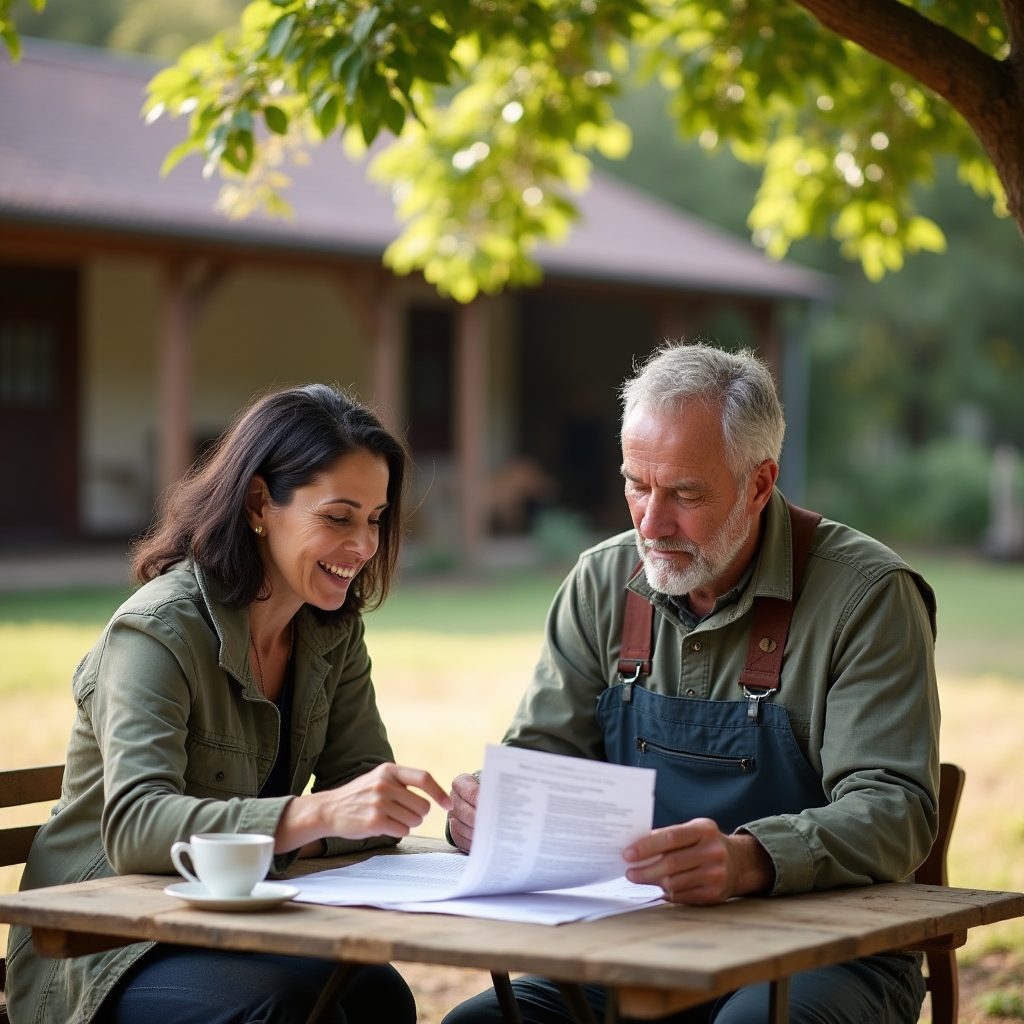
Each phase has a clear purpose
Initial Conversation
A 30-45 minute call or meeting to understand your situation and whether our work is likely to be useful. We ask about your operation, your current waste management, and what prompted you to look at circular economy approaches. No fee for this stage.
On-Site Assessment
We visit your operation and spend time walking through it. We observe material flows directly rather than relying only on descriptions. We ask detailed questions about quantities, frequencies, and current disposal arrangements. We photograph and document what we see.
Opportunity Analysis
Working from the assessment, we analyze each material stream for circular potential. We research relevant regulations, available markets for byproducts, and potential partner operations nearby. We are explicit about which opportunities are well-established and which are more experimental.
Written Plan
We produce a written plan with specific actions, rough cost estimates, and realistic timelines. The plan distinguishes between quick wins you can implement immediately, medium-term changes that require some investment or coordination, and longer-term possibilities to revisit as your operation evolves.
Implementation Support
We remain available as you implement the plan. This might mean answering questions as they arise, helping you adapt recommendations when on-the-ground reality differs from the assessment, or facilitating introductions to other producers or service providers. The level of ongoing support varies by engagement.
What shapes every recommendation we make
Economic realism
Circular economy practices that do not make economic sense for your scale will not be adopted. We factor in real costs and realistic benefits, not theoretical optima.
Regulatory awareness
Agricultural waste and byproduct management is regulated. We work within the Polish and EU regulatory framework, not around it. Every recommendation is compliant with applicable law.
Documentation discipline
Circular economy claims need records to back them up. We help you build documentation practices from the start, not as an afterthought when a buyer asks for evidence.
Incremental progress
We do not expect operations to transform overnight. A good plan sequences changes so each step builds on the last and creates momentum rather than overwhelm.
Want to understand how this applies to your situation?
The initial conversation is free. We talk through your operation and give you an honest sense of what might be possible.
Start the Conversation