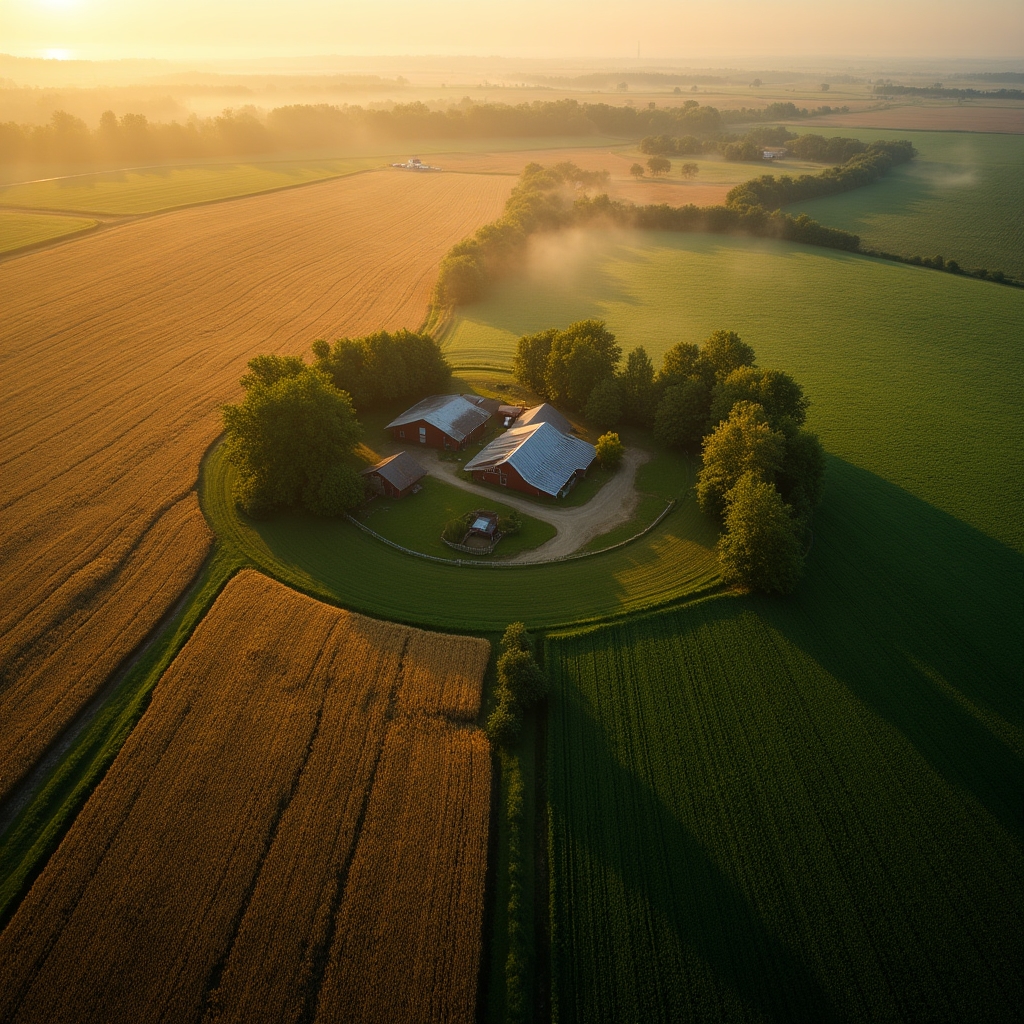
Aerial view of a small farm with diverse crop fields and resource management systems
Circular Economy Consultancy

Resources that cycle back.
Waste that finds a new role.

Practical guidance for small agricultural producers and rural businesses on reducing waste, reusing resources, and communicating environmental efforts honestly.

Scroll

Small farms and rural enterprises hold enormous potential for resource efficiency. We help you find it, use it, and talk about it without overreaching.

Consultant walking through a small farm discussing resource management with the farmer
Honest guidance
Who We Are

Grounded in agriculture. Fluent in circular thinking.

Dasoku Fucaco started from a simple observation: many small farms already practice circular resource use, they just don't have a framework for it. We bring that framework, rooted in real agricultural contexts, not abstract sustainability theory.

We work with producers who grow food, raise livestock, process crops, or run rural service businesses. Our focus is practical. What can you actually do with your organic byproducts? How do you close nutrient loops on a modest budget? What does honest environmental communication look like for a small operation?

Learn About Us
What We Offer

Four ways we work with you

Each engagement is shaped around your specific operation, not a one-size template.

Waste Stream Mapping

We trace where materials leave your operation and identify which streams can re-enter as inputs elsewhere on your farm or in your supply chain.

Read more

Nutrient Loop Design

Organic byproducts, animal manure, crop residues. We help you design systems that keep nutrients cycling within your operation rather than leaving as waste.

Read more

Environmental Communication

Helping you describe your practices accurately, to customers, buyers, and certifiers, without making claims that could backfire or mislead.

Read more

Rural Business Partnerships

Connecting nearby producers so one operation's output becomes another's input. Short supply loops that reduce costs and transportation for everyone involved.

Read more
How It Works

A typical engagement, step by step

01

On-site Assessment

We visit your operation, walk the land or facility, and document current material flows. No questionnaire can replace seeing how things actually work.

02

Opportunity Identification

We analyze what you have and map potential circular pathways. Some will be immediately viable, others longer-term. We are clear about which is which.

03

Practical Plan

A written plan with specific actions, rough cost estimates, and realistic timelines. No vague recommendations. Every suggestion is something you can actually do.

04

Implementation Support

We stay available as you implement, answering questions and helping you adapt the plan when reality differs from the drawing board.

Why It Matters

Circular practices don't require grand claims. They require good systems.

A lot of environmental communication goes wrong because producers feel pressure to say more than they can back up. We take the opposite approach. Document what you do, describe it accurately, and let the practice speak.

Honest communication builds more durable relationships with buyers and customers than inflated green claims. And it protects you from reputational risk as scrutiny of environmental marketing grows across Europe.

Visual representation of a circular resource cycle on a small farm showing inputs and outputs
Insights

Thinking about circular agriculture

A well-organized composting system on a small farm with layered organic material and wooden frames
Waste Reduction

What composting can and cannot do for a small farm
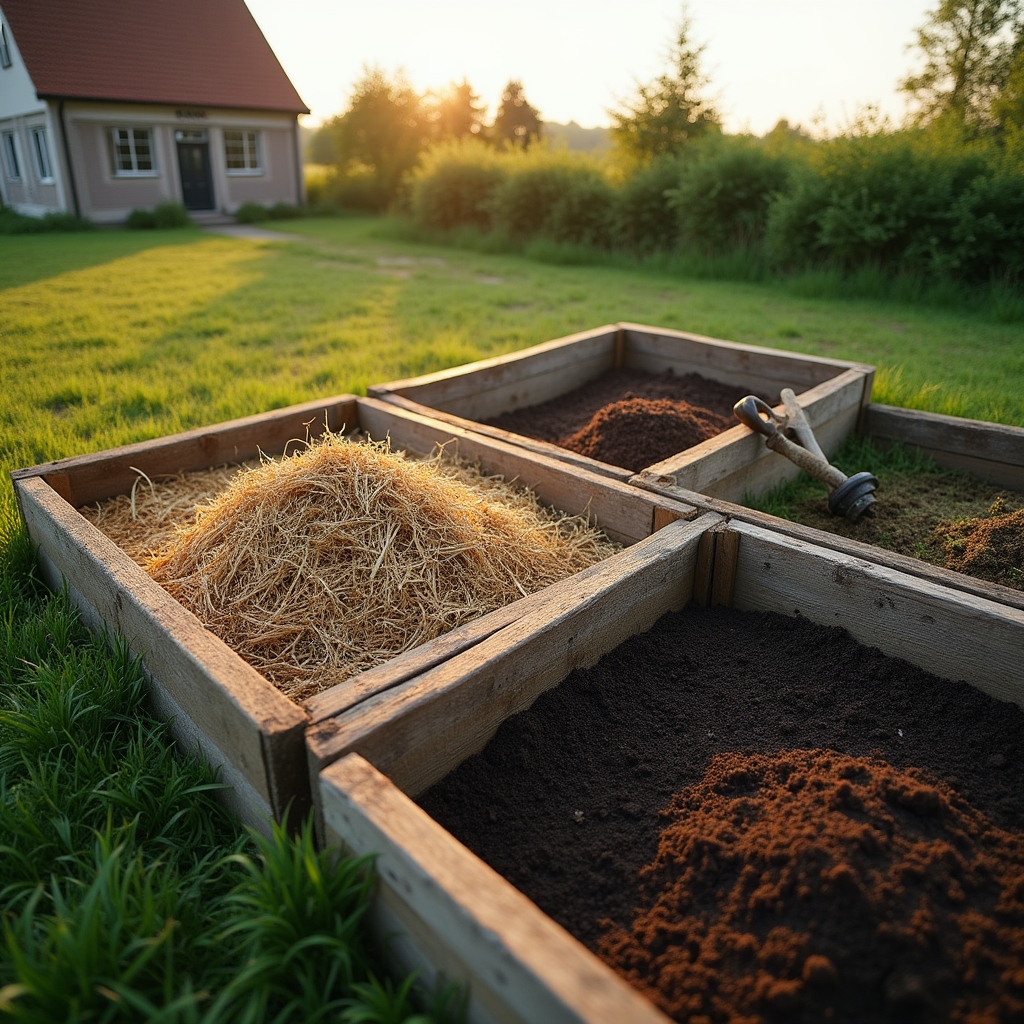
Composting is often the first circular practice producers adopt. It is also one of the most misunderstood. Here is a realistic picture of what it offers and where its limits are.

Two rural business owners reviewing documents together at a wooden table surrounded by farm produce
Local Loops

How neighboring farms can share resources without formal contracts

Informal resource sharing between farms is ancient practice. Formalizing it slightly, without overcomplicating it, can make it more reliable and mutually beneficial.

A farmer reviewing printed marketing materials at a desk with natural light coming through a window
Communication

The language of honest environmental claims

Words like "eco", "sustainable", and "green" carry different legal weight in different markets. Understanding the difference between a description and a claim is increasingly important.

Ready to look at your operation differently?

An initial conversation costs nothing. We talk through your situation and see whether there is a useful fit.

Get in Touch